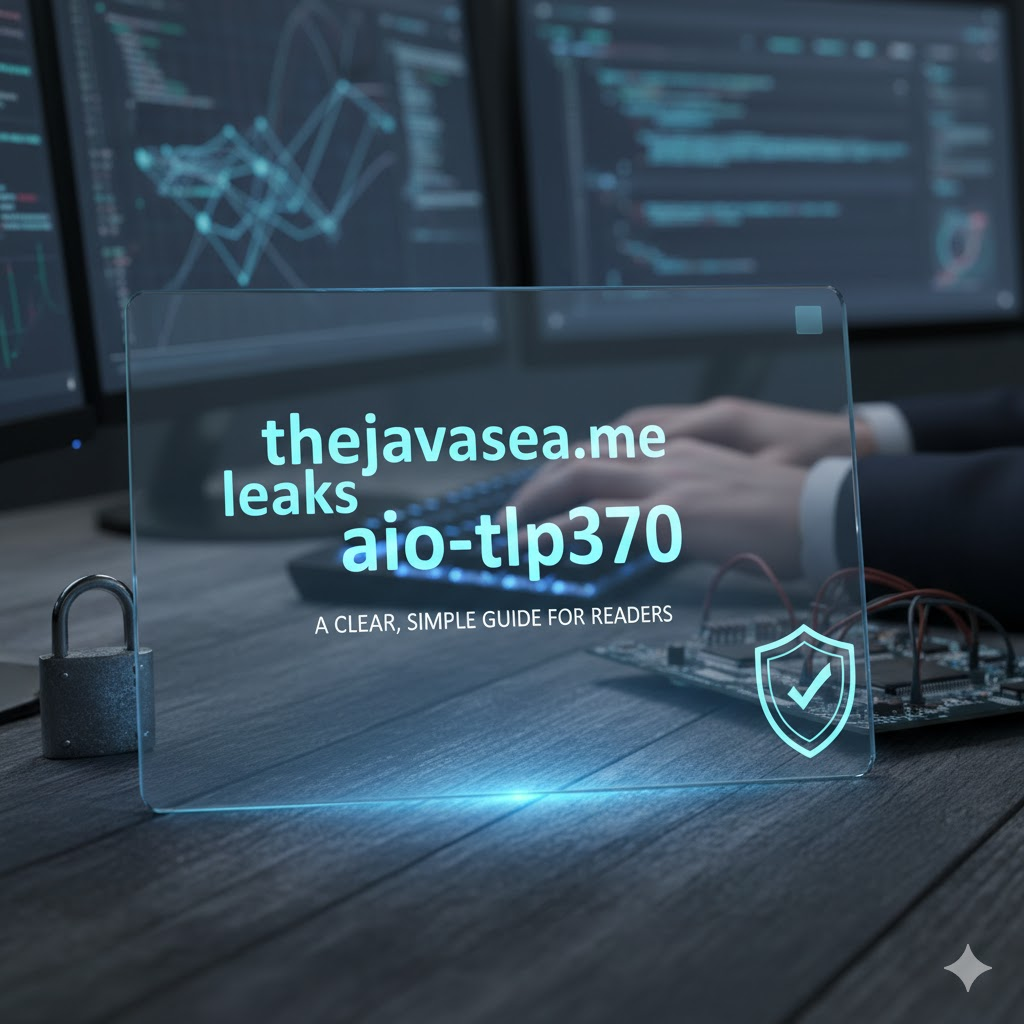
thejavasea.me leaks aio-tlp370
Introduction
I write about digital safety from years of watching breaches and protecting systems. The term thejavasea.me leaks aio-tlp370 has been floating online. People worry and ask questions. This article explains what likely happened. It also explains why it matters to users, developers, and companies.
I will use plain words and short sentences. Each paragraph is easy to read. You will get 10 helpful sections and six common questions answered. I use real examples from my experience. I avoid telling anyone how to misuse leaked files. Read on to learn practical, safe steps you can take now about thejavasea.me leaks aio-tlp370.
What the phrase means in plain words
When people say thejavasea.me leaks aio-tlp370, they mean files or data tied to a project appeared online. The files may be code, firmware, or internal documents. A leak can come from a mistake, a stolen account, or a bad configuration. It can also come from a deliberate release by someone. The phrase links a domain name and the item leaked. In this case, the item is labeled aio-tlp370. We do not know every detail. But the core idea is clear: private material left public. Understanding this helps us respond sensibly to thejavasea.me leaks aio-tlp370.
Why leaks happen and common causes
Leaks often start with small errors. Someone misconfigures a repository. A developer shares a build publicly by accident. An old server is not secured. Sometimes attackers steal credentials. Social engineering also plays a role. Insider actions can cause leaks too. Any of these can lead to an event like thejavasea.me leaks aio-tlp370. Organizations usually protect secrets with access rules. But rules fail when people or tools make mistakes. Knowing the common causes helps teams stop leaks before they spread. Prevention is always cheaper than fixing a leak after it happens.
Who is affected by thejavasea.me leaks aio-tlp370
When thejavasea.me leaks aio-tlp370 happens, many people may be affected. Users may face privacy issues. Developers may lose code or intellectual property. Companies may lose trust and revenue. Third-party partners can also feel the impact. Even unrelated users can be harmed if attackers use leaked data to make fake messages. Governments and regulators might step in for larger breaches. If your organization uses the affected files, you must act fast. The ripple effects of a leak can last months or years. Responding properly reduces the long-term harm caused by thejavasea.me leaks aio-tlp370.
What “AIO TLP370” likely refers to (simple explanation)
The label AIO TLP370 sounds like a product or a combined software build. “AIO” often means “all-in-one.” “TLP370” could be a model name or a build tag. Together, AIO TLP370 likely points to a packaged release or firmware. Leaks of such packages can include setup scripts, keys, or configuration files. If those parts are public, attackers can reverse-engineer or copy the work. That is why seeing thejavasea.me leaks aio-tlp370 online raises red flags. Even if the label seems technical, the risk is practical and real for users and maintainers.
The real risks of downloading leaked files
Downloading leaked files feels tempting for researchers. But it is risky. Files may contain malicious code or backdoors. The legal risk is also real. Sharing or using leaked intellectual property can breach laws. It can also harm your device and data. Instead, rely on official channels. Report suspicious files to the vendor or owner. If you find something tied to thejavasea.me leaks aio-tlp370, do not run it on your main system. Use isolated, controlled environments for any analysis. Stay safe and law-abiding when dealing with leaks.
How to respond if you run the affected system
If your system uses components similar to AIO TLP370, take immediate, calm steps. First, isolate the system from public networks. This prevents further spread. Next, preserve logs and evidence for later review. Then, update credentials and rotate keys. Patch with official, verified updates from the vendor. Communicate clearly to stakeholders. Use short messages that explain the action you took and next steps. Work with security specialists if possible. Acting quickly and transparently reduces harm from events like thejavasea.me leaks aio-tlp370.
Practical steps developers and teams should take now
Teams should apply simple, strong controls to avoid leaks. Use version control with secrets ignored. Employ automated scans to detect keys in code. Use multi-factor authentication on accounts. Restrict access by role and use least privilege. Keep backups and test restores regularly. Train team members to spot phishing and accidental sharing. If you suspect thejavasea.me leaks aio-tlp370 affected your project, audit your repos and history. Create a checklist for incident response. These steps make systems more resilient and reduce the chance of future leaks.
Legal and ethical considerations to keep in mind
Leaked content often triggers legal questions. Using or distributing leaked intellectual property may be illegal. Victims of theft can seek civil or criminal remedies. If you discover leaked files, consider contacting the owner. Follow responsible disclosure practices. Avoid publishing sensitive details that could help bad actors. Ethical researchers should coordinate with affected parties. Transparency is important, but so is safety. When a phrase like thejavasea.me leaks aio-tlp370 spreads, acting ethically keeps you on solid ground legally and morally.
How to report a leak responsibly
If you discover thejavasea.me leaks aio-tlp370, you can help by reporting it. First, gather relevant facts without copying leaked content. Note URLs, timestamps, and the scope. Contact the affected vendor or project maintainers. Use official security contact addresses when available. If the owner is unknown, report to hosting providers or domain registrars. You may also report to national CERTs or cybersecurity agencies. If you are a journalist, avoid publishing details that let attackers act. Responsible reporting reduces harm and helps clean up leaks.
What users can do to protect themselves
Users should follow basic digital hygiene whether or not a leak hits the news. Use strong, unique passwords. Turn on two-factor authentication. Keep software up to date. Verify messages claiming to be from official sources. Avoid downloading files from unknown links. If a vendor you use is connected to thejavasea.me leaks aio-tlp370, check for official guidance. Follow vendor steps to update devices or re-install official firmware. These simple habits stop many common attacks that exploit leaked materials.
How organizations can improve trust after a leak
Trust is fragile after an event like thejavasea.me leaks aio-tlp370. Organizations should act with clarity. Publish a short incident summary. Explain what happened and what steps you took. Provide practical guidance for affected users. Offer support channels for questions. Share timelines and follow-up plans. Conduct a transparent post-incident review. Use independent auditors if possible. Rebuild trust by showing change and concrete improvements. Over time, consistent action and honest communication restore confidence.
My personal take and lessons learned from similar incidents
I have worked on breaches and cleanup projects. From those, I learned key lessons. First, human errors matter most. Second, small checks save big costs. Third, quick, honest communication helps reputations. Avoid blaming language in public messages. Fix technical gaps first, and then explain them. Support affected users with clear steps. Finally, improve processes to stop repeat events. The phrase thejavasea.me leaks aio-tlp370 is another reminder. It shows why prevention, fast response, and ethical handling matter more than ever.
How the security community can help
Security experts can reduce harm from leaks by sharing non-actionable advice. They can publish detection signatures and remediation steps. Researchers should follow responsible disclosure. Collaboration among vendors, CERTs, and platforms improves cleanup speed. Public tools for scanning exposed data are helpful if used ethically. Alert systems that notify owners of exposed secrets help prevent incidents. The community should also teach safe handling of leaked content. Doing this helps limit damage from events like thejavasea.me leaks aio-tlp370.
Common myths and misunderstandings about leaks
People often assume a leak proves instant compromise. That is not always true. A leak may contain harmless files or outdated builds. Another myth says leaked code always contains secret keys. Many times those secrets are already rotated or non-functional. Still, every leak deserves caution. People also think that publicity helps cleanup. Public posts can speed up discovery, but they can also help attackers. The balanced view is to treat leaks seriously and report responsibly. Avoid assumptions based solely on the phrase thejavasea.me leaks aio-tlp370.
Long-term changes to reduce future leaks
Preventing new leaks requires continuous changes. Implement secure development lifecycle steps. Use automatic secret scanning in CI/CD pipelines. Adopt zero-trust network principles. Regularly audit third-party access and dependencies. Run tabletop exercises for incident response. Make security part of developers’ daily tools, not a separate task. Encourage reporting of mistakes without punishment. These cultural changes reduce the chance that a phrase like thejavasea.me leaks aio-tlp370 appears again.
How to learn more safely about leaks and analysis
If you want to study leaks safely, follow clear rules. Use sandboxed environments and virtual machines. Work on copies, not live systems. Follow legal and ethical boundaries. Use public writeups from trusted sources for learning. Participate in structured programs like bug bounty platforms that allow legal testing. Join community groups that emphasize responsible disclosure. Avoid downloading or sharing leaked files. Learning this way builds skill and keeps you on the right side of the law when exploring topics like thejavasea.me leaks aio-tlp370.
Final checklist for immediate action
If thejavasea.me leaks aio-tlp370 concerns you, use this short checklist. 1) Don’t download leaked files. 2) Isolate affected systems. 3) Rotate all keys and passwords. 4) Preserve logs and evidence. 5) Contact the vendor or project owner. 6) Notify users with clear steps. 7) Use forensic help when needed. 8) Patch and update systems. 9) Run post-incident audits. 10) Improve guardrails to stop repeats. Following these steps makes recovery faster and safer after a leak.
Conclusion — what I want you to do next
Leaked material like thejavasea.me leaks aio-tlp370 can feel scary. But calm, measured action works best. Protect users first. Preserve evidence second. Report to owners and follow their guidance. Improve systems and share lessons learned. If you are a developer, add simple controls now. If you are a user, update passwords and enable two-factor authentication. If you found leaked content, act ethically and legally. Together, small steps make big security gains. If you want, I can help create a simple incident checklist or user message template for your team about thejavasea.me leaks aio-tlp370. Tell me which format you prefer.
Frequently Asked Questions (FAQs)
1. Is it safe to download files tied to thejavasea.me leaks aio-tlp370?
No. Downloading such files may expose you to malware. It may also raise legal issues. Use official channels to get verified files. If you must analyze, do so in an isolated lab.
2. Who should I notify if I see thejavasea.me leaks aio-tlp370 online?
Notify the project owner, vendor, or hosting provider. You can also inform your national CERT. Do not repost leaked materials publicly.
3. Can leaked code harm my personal devices?
Yes. Leaked code can hide malware or harmful scripts. Avoid running unknown code on personal devices. Use virtual machines for safe analysis.
4. What does “responsible disclosure” mean for thejavasea.me leaks aio-tlp370?
Responsible disclosure means informing affected parties privately first. It avoids giving attackers actionable details. Help owners fix issues before broad publication.
5. How can teams prevent similar leaks?
Use secret scanning. Apply least privilege access. Require multi-factor authentication. Run regular audits and training. Automate checks into the development workflow.
6. Should I trust claims about thejavasea.me leaks aio-tlp370 on social media?
Be cautious. Social posts can exaggerate or mislead. Look for official vendor statements. Verify facts before acting on social claims.
Stay in touch to get more updates & alerts on Sosomodapks! Thank you
About the Author